

The World May Have Just Missed Its Chance To Seriously Tackle Shipping Emissions
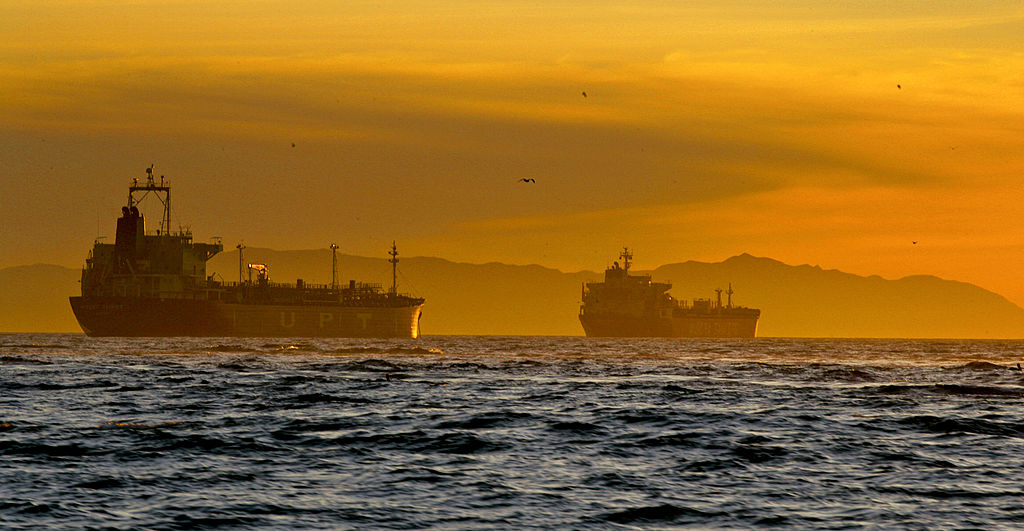
The United Nations has long been a powerful force in the fight against climate change. But the International Maritime Organization (IMO), the U.N. agency assigned to regulate the cruise liners, container ships, and bulk cargo carriers that operate on the high seas beyond the authority of any one country, has been another story.
Global shipping is responsible for about 3% of global emissions. But in the lead up to the Paris Agreement back in 2015, then-IMO Secretary-General Koji Sekimizu told world diplomats that the sector should not be subject to any overall emissions limits. “Such measures would artificially limit the ability of shipping to meet the demand created by the world economy,” he said. After pressure to address emissions intensified, the group’s member states came out with a 2018 agreement that would aim to cut emissions by half by 2050, a significant step, but still far from the complete decarbonization that scientists say will be necessary within three decades to avert catastrophic climate change.
